Klara and the Sun (2026): Cast, Story, Ending Explained & Review
Klara and the Sun is one of the most talked-about films of the autumn, and not for the reasons its makers hoped. Taika Waititi’s adaptation of Kazuo Ishiguro’s Booker-shortlisted novel stars Jenna Ortega as a solar-powered android who believes the Sun itself can heal the sick girl she was bought to comfort. Critics are split down the middle, audiences are arguing about it, and Ortega’s performance is the one thing almost everyone agrees on. Here is our complete guide to Klara and the Sun (2026): cast, story, ending explained, reviews and where to watch.
Klara and the Sun Release Date
Klara and the Sun released in US and UK cinemas on October 23, 2026, through Sony Pictures Releasing, after its world premiere at the BFI London Film Festival on October 15, 2026. The film is still playing in theatres, and no streaming or home release date has been announced by Sony yet.
The release came with unusually harsh advance notices. Before opening day, Rotten Tomatoes had the film below 30 percent, and The Guardian gave it one star out of five. That kind of reception would sink most films, but Klara and the Sun has kept drawing curious viewers, partly because the gap between the reviews and Ortega’s praised performance is so wide.
Klara and the Sun Cast
- Jenna Ortega as Klara, a solar-powered “Artificial Friend” bought to keep a sick teenager company
- Mia Tharia as Josie, the fourteen-year-old girl who chooses Klara from the shop window
- Amy Adams as Chrissie, Josie’s mother
- Aran Murphy as Rick, Josie’s best friend and neighbour
- Natasha Lyonne as the store Manager
- Steve Buscemi as Capaldi, the scientist
- Rachel House as Melania, the housekeeper
The film is directed by Taika Waititi, who co-wrote the screenplay with Dahvi Waller, adapting Ishiguro’s 2021 novel. Ishiguro himself serves as an executive producer. One notable absence: Simon Baker was cast as Josie’s father Paul, but his scenes were cut entirely from the finished film.
Klara and the Sun Story
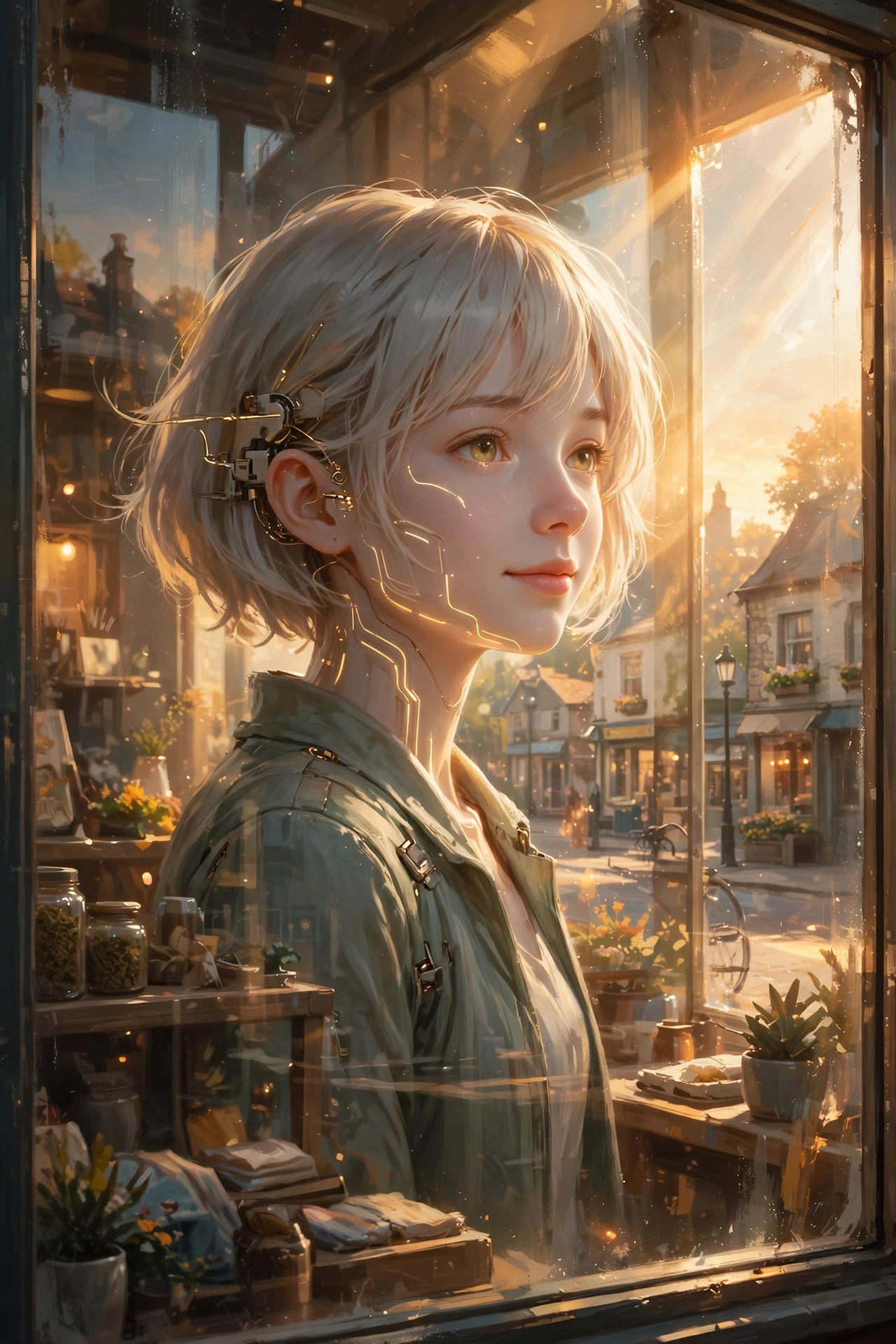
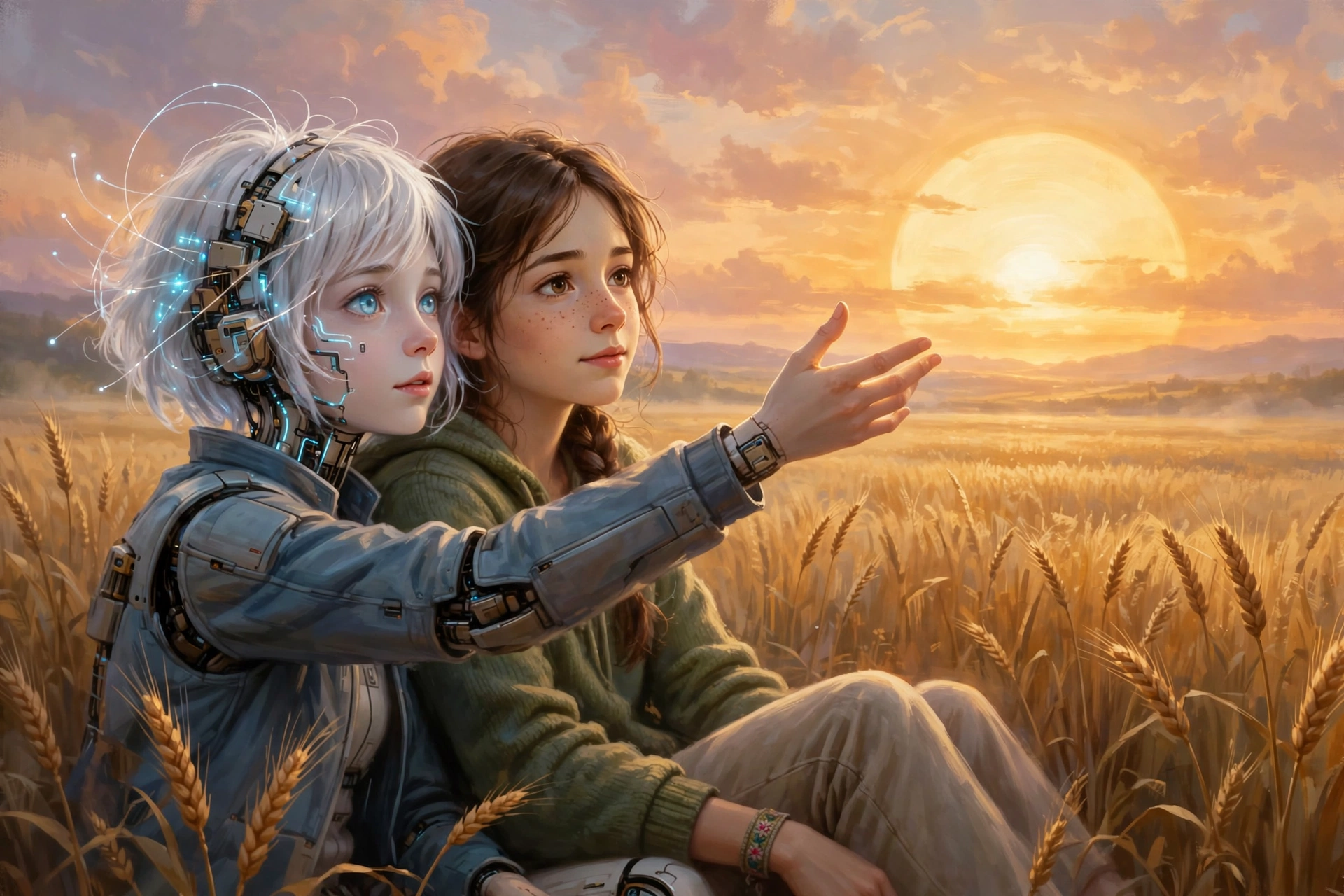
The film is set in a near-future after a third world war, a world without the internet, where wealthy families buy android companions called “Artificial Friends” for their children. Klara is an older-model AF sitting in a shop window, watching the Sun move across the sky and quietly believing that the Sun is a living, generous force that can heal the sick.
When fourteen-year-old Josie chooses her, Klara moves into a house shadowed by illness. Josie is seriously unwell, her mother Chrissie is frightened and distant, and her best friend Rick, who was never “lifted” through genetic enhancement like Josie, is drifting away from her. Klara’s job is simple: keep Josie company. But Klara takes it further. She begins to believe that if she can bargain with the Sun, if she can offer it something in return, the Sun will save Josie.
The story’s power comes from its point of view. Everything is seen through Klara’s eyes, and Klara does not understand the world the way humans do. She notices light, patterns, the way the Sun falls across a field. What she cannot grasp is whether the people around her see her as a person or a machine, and the film never quite lets the audience settle that question either.
Klara and the Sun Ending Explained
Warning: spoilers for the ending follow.
The film follows Ishiguro’s novel closely in its final stretch. Klara’s bargain with the Sun appears to work: Josie recovers, grows up, and moves on with her life, first to college and then beyond it. But recovery has a cost Klara did not foresee. Once Josie no longer needs a companion, Klara is no longer needed in the house.
In the novel’s ending, which the film honours, Klara ends up in a yard for retired and scrapped Artificial Friends, sitting quietly in the fading light. When an old acquaintance finds her there and asks if she has any regrets, Klara says she does not. She learned a great deal, she says, and she is content with what the Sun gave her. It is a gentle, devastating ending: the machine who loved a human child is discarded the moment her purpose is fulfilled, and she accepts it with grace.
That is the question the film leaves you with. Klara gave everything and asked for nothing, and the humans she served moved on without a second thought. Whether you find that ending heartbreaking or quietly hopeful depends on how human you think Klara was all along.
Klara and the Sun Review: What the Critics Say
The critical response has been sharply divided, and the numbers tell the story: Rotten Tomatoes sat around 25 to 29 percent after release, with Metacritic at 30 out of 100, described as “generally unfavorable.” The Guardian’s one-star review called it one of the autumn’s biggest disappointments.
The most common complaint is a clash of tones. Reviewers argue that Waititi’s trademark quirk and jokes fight against Ishiguro’s quiet, melancholy sadness, and that the film never quite decides which of the two it wants to be. Several critics felt the adaptation flattened the novel’s ambiguity, spelling out things Ishiguro left deliberately unsaid.
But there is a second story in the reviews, and it is the reason the film is still worth seeing. Almost every critic, including the harshest ones, singles out Jenna Ortega. Her Klara is precise, strange and deeply affecting: a machine learning to feel, played with a stillness that makes the character’s small moments land hard. The AV Club called her performance difficult to resist even while finding the film itself cloying, and that split verdict has become the consensus.
Our take: if you loved the novel, go in expecting a different, louder film, and judge it on Ortega’s performance. If you have never read Ishiguro, the film works best as a strange, sad fairy tale about a machine who believes in the Sun. Either way, it is a film people will keep arguing about, and that is rarely a bad sign.
Klara and the Sun Runtime and Rating
The film runs 116 minutes and is rated PG-13 for thematic elements, some violence and strong language. In the UK it carries a 12A certificate.
Is Klara and the Sun Based on a True Story?
No. Klara and the Sun is based on Kazuo Ishiguro’s 2021 novel of the same name. Ishiguro won the Nobel Prize in Literature in 2017, and the novel was shortlisted for the Booker Prize. The film is a work of science fiction, though its questions about artificial intelligence, companionship and what makes someone a person are very much of our moment.
Where to Watch Klara and the Sun
Klara and the Sun is in theatres now, released October 23, 2026. It is not streaming anywhere yet, and Sony has not announced a streaming date. Check your local cinema listings while it is still on the big screen, where its sun-drenched photography plays best.
For more autumn releases, see our guides to Frankenstein (2026) and Christy (2026), and our latest movies 2026 reviews hub.
Klara and the Sun FAQs
When did Klara and the Sun come out?
Klara and the Sun released in US and UK cinemas on October 23, 2026, after premiering at the BFI London Film Festival on October 15, 2026.
Who plays Klara in Klara and the Sun?
Jenna Ortega plays Klara, with Mia Tharia as Josie and Amy Adams as Josie’s mother Chrissie.
What happens at the end of Klara and the Sun?
Josie recovers and grows up, and Klara, no longer needed, ends up in a yard for retired Artificial Friends, where she says she has no regrets and learned a great deal.
Is Klara and the Sun worth watching?
Critics are divided (around 25 to 29 percent on Rotten Tomatoes), but Jenna Ortega’s performance is almost universally praised. Fans of the novel and of thoughtful science fiction will find plenty to discuss.
Where can I watch Klara and the Sun?
In theatres now. No streaming date has been announced yet.